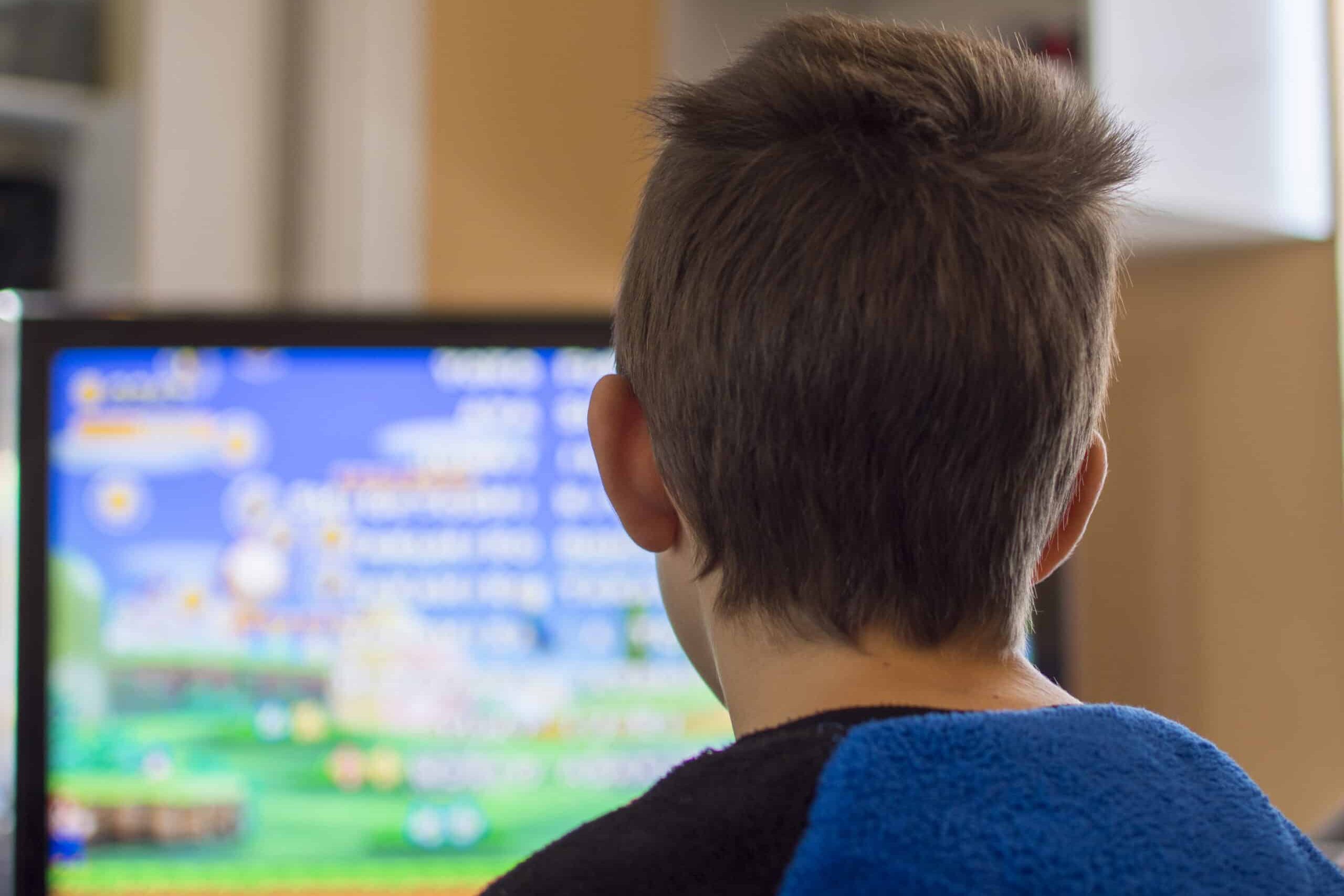

The internet doesn’t make exceptions for the “good kids”.
Hey friends – welcome to the Internet Safety Blog! Click the button below to join my monthly newsletter and get internet safety tips, news, and support right in your inbox!
When I first began reaching out to churches and families locally to share about internet safety, I shared that my goal was to help families be aware of and have support while tackling the dangers of pornography, cyberbullying, overstimulation, and the multitude of other issues that the internet has brought. But a common response I heard from the start – and still hear today – is something like this:
“That’s awesome!… But it doesn’t apply to my kid(s)”
or
“my kid(s) wouldn’t do that”
I totally understand where this comes from. These are parents whose kids (at least in their eyes) aren’t major trouble makers, don’t often hurt others, do well in school, are diligent in their sports, go to church, have good friends, etc. “My 12 year old boy wouldn’t look at porn; all he cares about are sports and cars!”. “My daughter wouldn’t gossip and bully on social media; she’s so sweet to everyone!”. “My kid wouldn’t get addicted to social media or gaming; she/he is very diligent about her/his responsibilities”. These are parents who see their kids living well in daily life and believe that will directly translate to their time online with no additional precautions, discussions, or supervision needed.
Yes, your kid (and you!)
When I say that internet safety topics are important to be addressed for every child, I don’t mean it as an affront to your child or your parenting. I don’t doubt that you have really good kids; I am just being honest about the state of the internet and the limits of human brains (especially children’s). Computers are powerful, and companies who make websites, apps, and digital content intentionally design things to play on our minds and get us to consume what they offer.
- Our brains have a very delicate reward system; social media design patterns, like infinite scrolling, likes, and notifications, hijack that and make us crave more content and more attention.
- This often makes even the most reasonable teenage girls obsess over their online persona, become jealous and spiteful of others, and depressed when the “reward” runs out (i.e., they don’t get enough likes or comments on their pictures).
- Our brains produce dopamine as part of this reward system to reinforce good actions and behaviors.
- Exposure to pornography (even incidental or accidental), or the bright lights, loud noises, and virtual prizes present in most video games, is overstimulating and can cause explosions of dopamine.
- This can lead to intensified craving for this content and decreased sensitivity and enjoyment to the real world.
And me, too
Do you remember the ways I described “good kids” near the beginning? I fit all of those characterizations perfectly when I was growing up. On the outside I had it all together – great family, great friends, great teams, great school life. But what only I knew was that I was miserably addicted to pornography and video games and hated myself for all of it. This lasted for years. You can read more about it in this blog post I wrote earlier this year.
I certainly am responsible for the decisions I made, but a lot of it stemmed from being online too young and too often. From being randomly exposed to explicit content while innocently scrolling through websites. From being a curious kid (side note: curiosity is a GREAT thing for kids, but it can be extremely dangerous when the entirety of the world’s public digital content is available at their fingertips). The internet doesn’t play favorites and go easy on the “good kids”; it’s a powerful place that needs to be responsibly managed by every family.
The main point
Kids are especially vulnerable to these dangers, as their prefrontal cortex (the logical, self-controlling part of the brain) is nowhere near fully developed, so any imbalance in the reward system can lead to a full takeover of their emotions. But you also may have felt this as well if you ever spent too much time scrolling on your phone, watching TV, or playing video games. This is not about you or your kids or your parenting – it’s about systems designed by genius engineers and psychologists getting paid millions by tech companies to trap and entice us. And they are really, really good at it.
Moving forward
I don’t mean for this to shame you or scare you. My hope is just that we can all be on the same page and fight this fight together! This could look like a bunch of different things, depending on your situation and needs:
- Talk with your kids more often about what they are doing online or hearing about from friends at school.
- Reduce the amount of time you spend online, for your own sake and to lead your family by example.
- Reach out to me for a custom internet safety plan to help you lead your family well in your technological environment.
- Share what you’ve learned with other parents so that you can support them and their kiddos.
Everyone with access to the internet faces similar struggles and challenges, so let’s work together to support one another and live well!
I hope this has given you some awareness and ideas for practical things you can do today. I’d love to hear your own ideas for making people more aware of the dangers and how to support parents and kids in their struggles.
Wherever you’re at in your internet safety journey, there are always great things you can do to continue improving life for yourself and those around you. Check out the rest of my blog to learn more about a variety of internet safety topics, and feel free to reach out to me to talk more about the individual needs and questions you and your family have.
Until next time,
Casey